
Aging in place is about more than installing grab bars or widening doorways — it’s about preserving dignity, independence, and a sense of home. As families explore how best to support older loved ones, the way a home is designed can either reinforce autonomy or unintentionally diminish it.
A Shift in How We Think About Aging Spaces
According to AARP’s 2023 Home and Community Preferences Survey, nearly 80% of adults over 50 say they prefer to remain in their current homes as they age. But only 40% believe their homes can support aging-related needs. This gap reflects not only physical limitations, but emotional ones—feelings of displacement, loss of control, or discomfort in spaces that suddenly feel clinical rather than personal.
Industry leaders have begun reimagining aging-friendly environments with dignity and design in mind. The “Universal Design” movement, as highlighted in Architectural Digest and Better Homes & Gardens, emphasizes aesthetics and usability for all ages. That means lower thresholds, well-lit pathways, lever-style door handles—and yes, even bold, beautiful design choices that reflect personal taste.
Beauty Meets Functionality
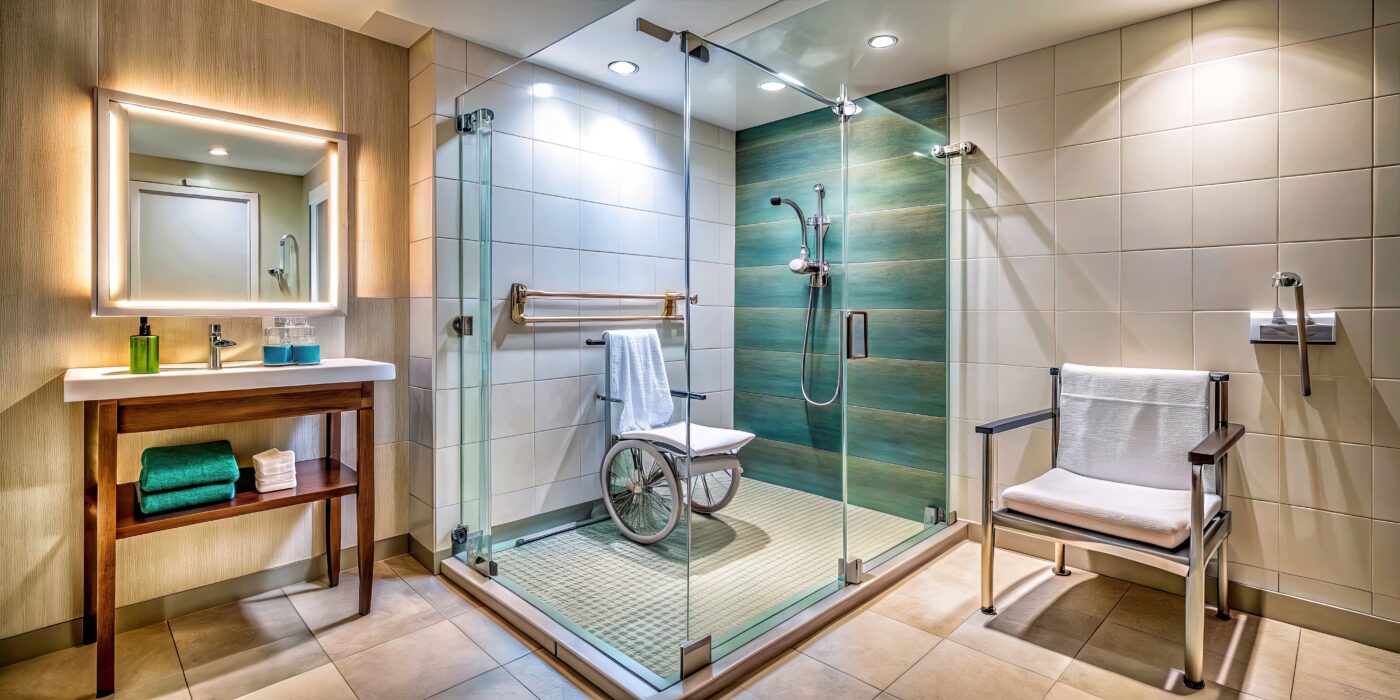
Good aging-in-place design blends form with function. A walk-in shower with seating should still feel like part of a spa retreat. Kitchen modifications—like pull-down shelves or touchless faucets—can add modern flair while supporting mobility. Flooring transitions should be smooth and safe, but also complement natural lighting and color schemes that soothe and energize.
A growing number of interior designers now specialize in accessible aesthetics. As noted in The New York Times, firms are incorporating anti-slip surfaces, adjustable lighting, and multi-height workspaces that look just as stylish as they are sensible.
More Than Modifications — A Philosophy of Empowerment
Designing for dignity means listening to the person who will live in the space. It’s about asking, “How do you want to feel when you’re home?” not just “What do you need?” That subtle shift elevates the entire experience, creating a living space where aging is not a decline—but a new stage with its own character, grace, and comfort.
Curious how your own space might evolve with thoughtful design? Age In Place Connecticut’s upcoming live events offer real-world insights, examples, and expert perspectives.